
Human Papillomavirus (HPV) Preventive Vaccines Options in 2026
Definition
The human papillomavirus (HPV) vaccine protects against infection from HPV types that can cause six types of cancer: cervical, vaginal, vulvar, penile, anal, and oropharyngeal (throat and mouth) cancers. In the United States, HPV causes approximately 34,000 cancers each year—about 20,600 in women and 13,400 in men. The vaccine can also prevent genital warts in both males and females.
HPV Vaccine Alternative Names
Vaccine – HPV; Immunization – HPV; Gardasil; Gardasil 9; HPV2; HPV4; HPV9; Vaccine to prevent cervical cancer; Genital warts – HPV vaccine; Cervical dysplasia – HPV vaccine; Cervical cancer – HPV vaccine; Cancer of the cervix – HPV vaccine; Vaccination – HPV vaccine
HPV General Information
HPV is extremely common, and nearly all sexually active individuals will be exposed at some point in their lives. About 14 million people in the United States become newly infected each year.
HPV spreads through skin-to-skin contact during vaginal, anal, or oral sex. While many infections clear on their own, some can lead to genital warts or cancers of the:
- Cervix, vagina, and vulva in women
- Penis in men
- Anus in both men and women
- Throat, base of the tongue, and tonsils in both men and women
The HPV vaccine helps protect against the most common high-risk types of HPV that are linked to cancer. It does not treat existing infections or cancer, so it is most effective when given before exposure to the virus.
Who Should Receive the Vaccine
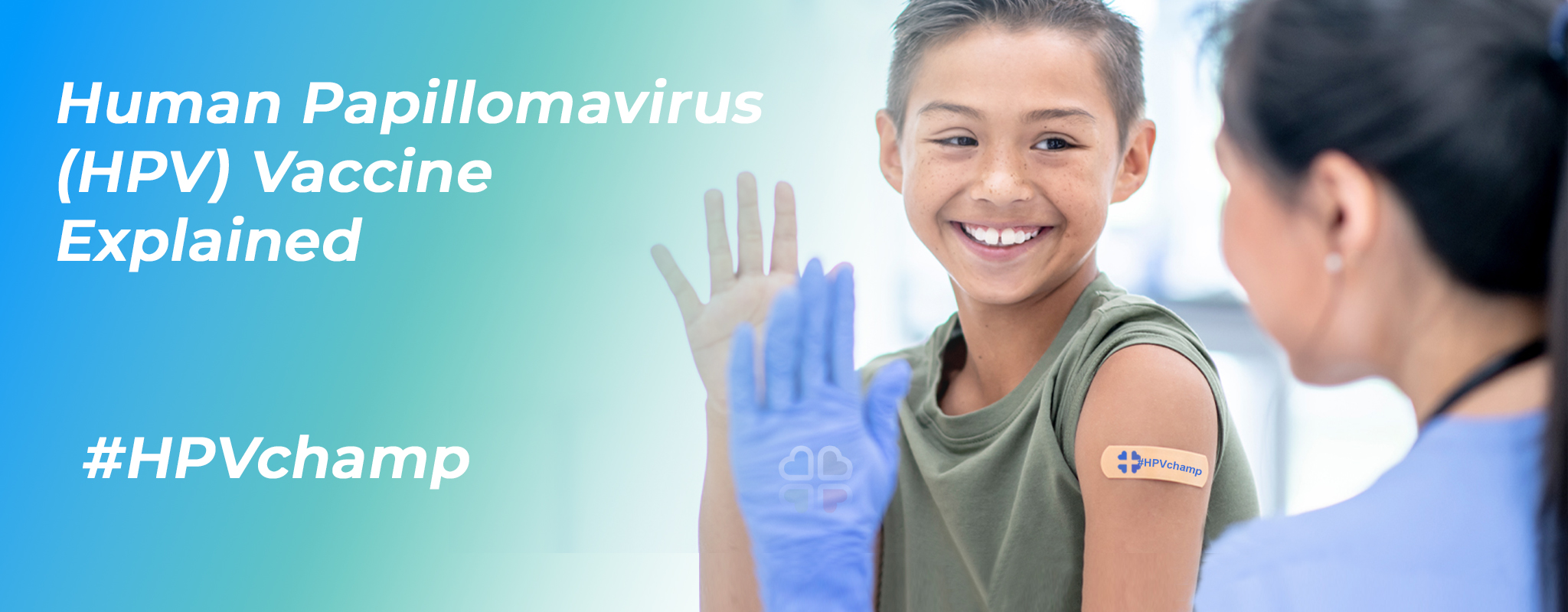
Routine HPV vaccination is recommended for boys and girls starting at ages 11–12. It can be given as early as age 9.
- Ages 9–14: Two-dose series
- First dose: at chosen start date
- Second dose: 6–12 months after the first
- Ages 15–45: Three-dose series
- First dose: at chosen start date
- Second dose: 1–2 months after the first
- Third dose: 6 months after the first
If the first dose is given after age 15, a 3-dose series is required. Vaccination may still be considered up to age 45, especially for individuals who may be at risk of new HPV exposure in the future. However, the benefit decreases with age due to prior exposure.
If your teen has not yet received the vaccine, speak with their healthcare provider about starting the series as soon as possible.
Dosing Summary
- Ages 9–14: 2-dose series (0, 6–12 months)
- Ages 15–45 and immunocompromised individuals: 3-dose series (0, 1–2 months, 6 months)
Effectiveness and Cancer Prevention
Research shows strong protection from HPV vaccination:
- In a study of 1,672,983 girls and women, cervical cancer risk was reduced by 88% in those vaccinated before age 17 compared with those unvaccinated.
- A review including 60 million girls and women found:
- 83% reduction in HPV infections
- 67% reduction in genital warts
- 51% reduction in cervical precancers
- Among 301 vaccinated boys followed for 8 years, there were only 3 HPV infections and no cases of genital warts or penile precancers.
Safety
The HPV vaccine has been extensively studied and monitored for over 12 years and is considered very safe.
Common side effects include:
- Pain, redness, or swelling at the injection site (about 9 in 10 people)
- Headache (about 3 in 10)
- Mild fever around 100°F (about 1 in 10)
- Moderate fever around 102°F (about 1 in 65)
- Fainting after vaccination (about 1 in 50)
To reduce the risk of fainting, patients should be seated or lying down during vaccination and remain in that position for 15 minutes afterward.
Rare side effects:
- Severe arm pain or temporary difficulty moving the arm (very rare, resolves without treatment)
- Severe allergic reaction (about 1 in 1,000,000 doses)
Patients should inform their provider of any known allergies, including latex or yeast.
Important Considerations
- Women should continue routine cervical cancer screening (Pap tests) even after vaccination.
- There are currently no screening tests for most other HPV-related cancers.
- The HPV vaccine does not protect against other sexually transmitted infections.
Give us a call today at 386-758-0003 if you answer yes to any of the questions below,
to speak to an expert or schedule a consultation.
- Are you interested in your child receiving the HPV vaccine
- Have questions or concerns about the vaccine effects on children.
- Are unsure whether you or your child should be vaccinated.
Visit ufhealth.org for more clinical information and resources.