
 🐍Reptiles are amazing animals! From slithering snakes to colorful lizards and tiny turtles, these cool creatures are found all over the world—and many people even keep them as pets. But did you know that reptiles can carry a type of germ called Salmonella that can make people sick? Learning how to stay safe around reptiles helps us enjoy them without any health worries.
🦎 What Is Salmonella?
Salmonella is a kind of bacteria—tiny living germs that you can’t see without a microscope. If these bacteria get inside our bodies, they can cause an illness called salmonellosis. People who get sick from Salmonella might have stomach cramps, diarrhea, fever, or feel tired for a few days.
Reptiles, like snakes, turtles, and lizards, naturally have Salmonella in their intestines. They don’t get sick from it, but the germs can pass out in their poop (feces). Even if a reptile looks perfectly healthy, it can still spread these germs!
🐢 How Do People Catch It?
People can get Salmonella by touching reptiles, their tanks, food, or anything they’ve walked or crawled on, and then putting their hands in their mouth without washing them first. That’s why washing your hands after handling reptiles is super important!
Salmonella doesn’t jump or fly—it spreads only when it’s carried on dirty hands or surfaces. It can sneak onto things like countertops, toys, or food dishes if we’re not careful.
🌍 What Scientists Discovered
Scientists around the world studied reptiles to learn how common Salmonella really is. They looked at both wild reptiles living outdoors and pet reptiles that live in homes or pet stores. Their research showed that many reptiles, regardless of their location, carry Salmonella.
Pet reptiles sometimes carry even more germs because they live close together and share the same space, food, or water. Wild reptiles have more room to move around, so the bacteria spread less. This highlights the importance of maintaining cleanliness and handling animals with care for individuals who care for reptiles, such as zookeepers, pet owners, and veterinarians.
🧼 How to Stay Safe Around Reptiles
You don’t have to be afraid of reptiles—you just need to be smart around them!
Here are some ways to protect yourself and your family:
- 🖐 Always wash your hands with soap and warm water after touching a reptile or anything in its tank.
- 🍽 Keep reptiles out of the kitchen or dining areas where food is made or eaten.
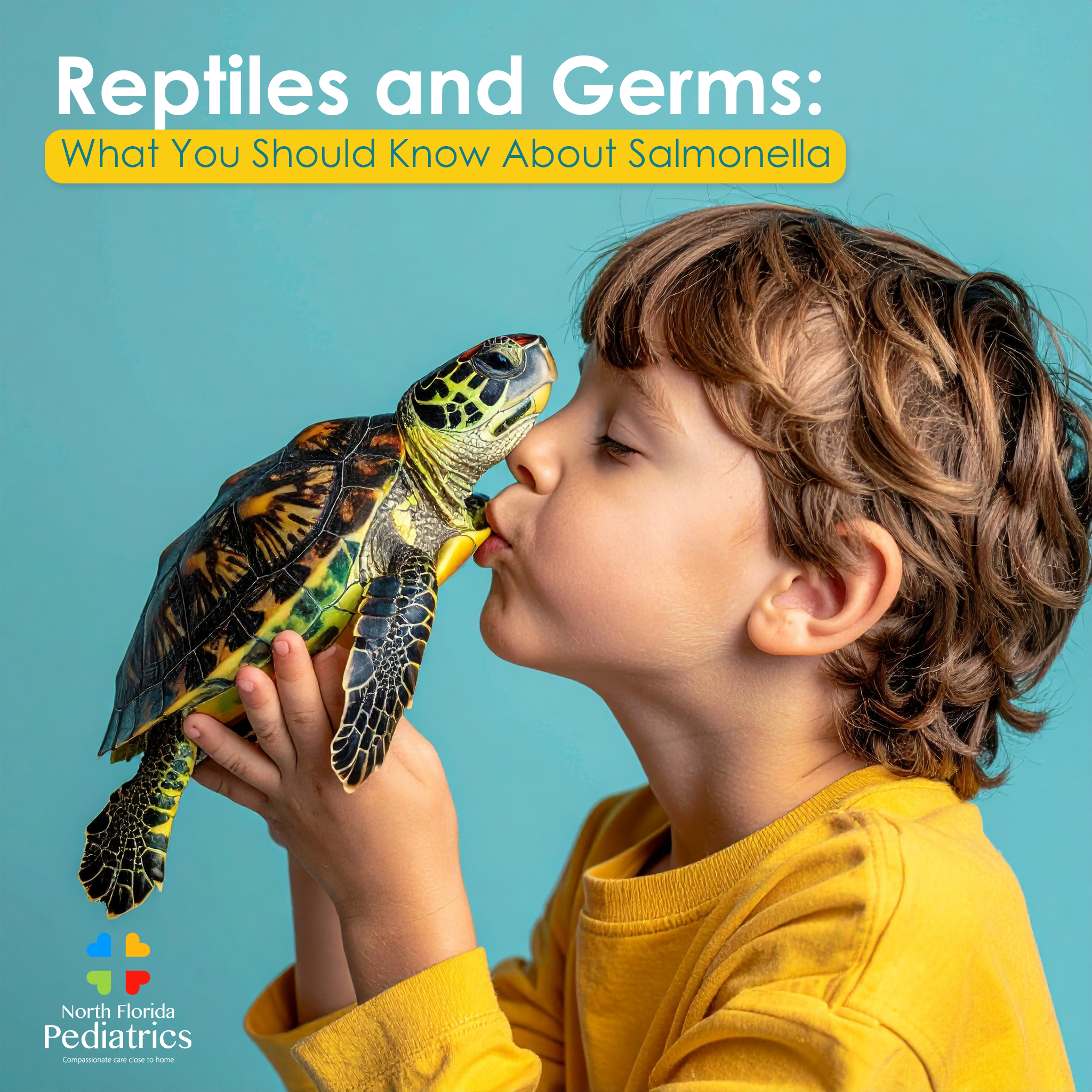
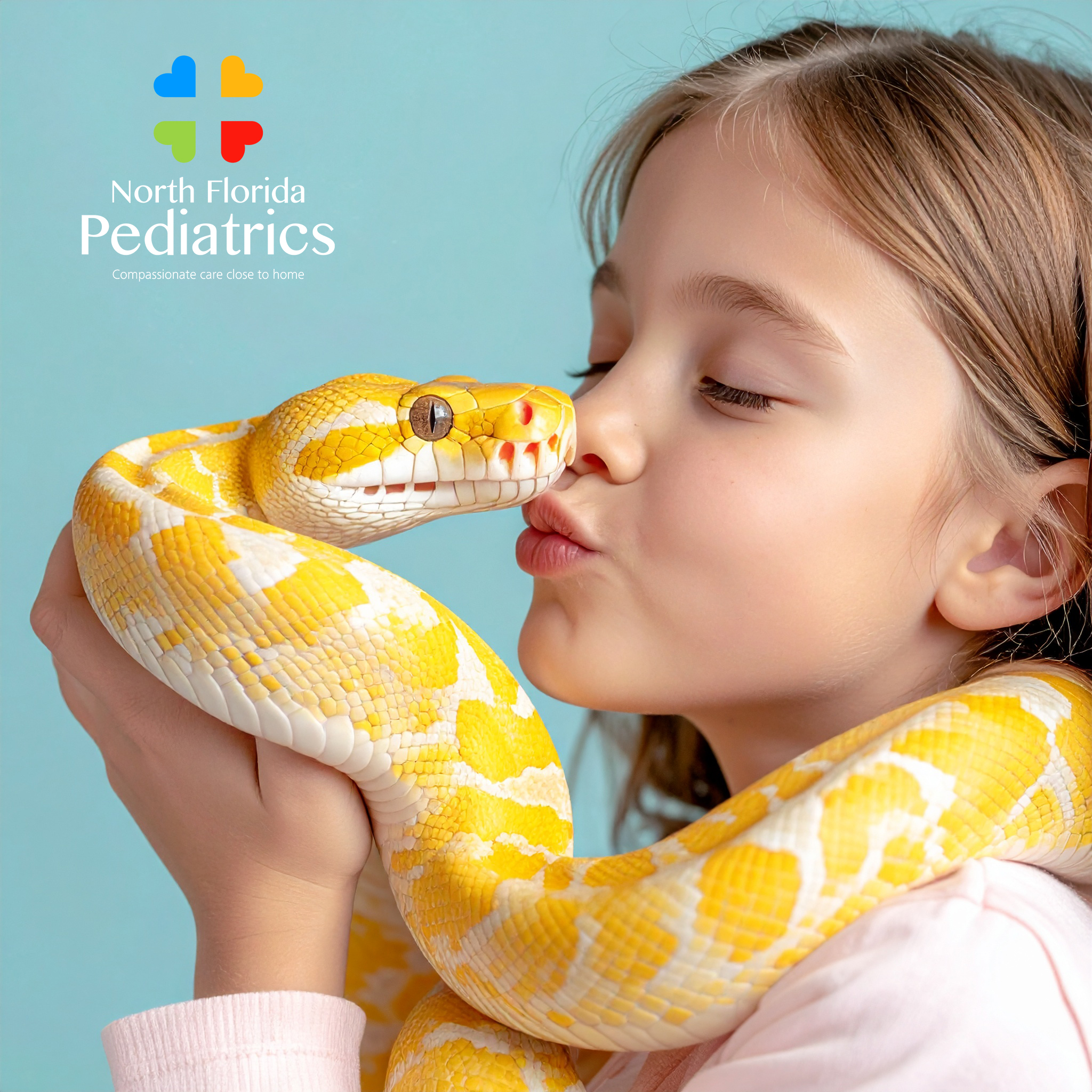
- 🚫 Don’t kiss reptiles or hold them close to your face.
- 👶 Little kids (especially under 5 years old) shouldn’t handle reptiles on their own because their immune systems are still growing.
- 🧽 Clean reptile tanks outside the house, if possible, or use a special sink just for your pet.
🌟 The Big Picture
Reptiles are part of our planet’s amazing wildlife, and they can make wonderful pets when cared for properly. By learning about Salmonella and how it spreads, we can protect ourselves while also respecting these fascinating animals.
So next time you see a turtle sunbathing or a lizard climbing a rock, remember—they’re cool, they’re ancient, and with the right care, they can stay healthy and happy while keeping you safe, too!
Sources:
https://www.healthychildren.org
https://gutpathogens.biomedcentral.com
https://pubmed.ncbi.nlm.nih.gov
https://wwwnc.cdc.gov
https://www.sciencedirect.com