
Juvenile Arthritis: What Parents Should Know
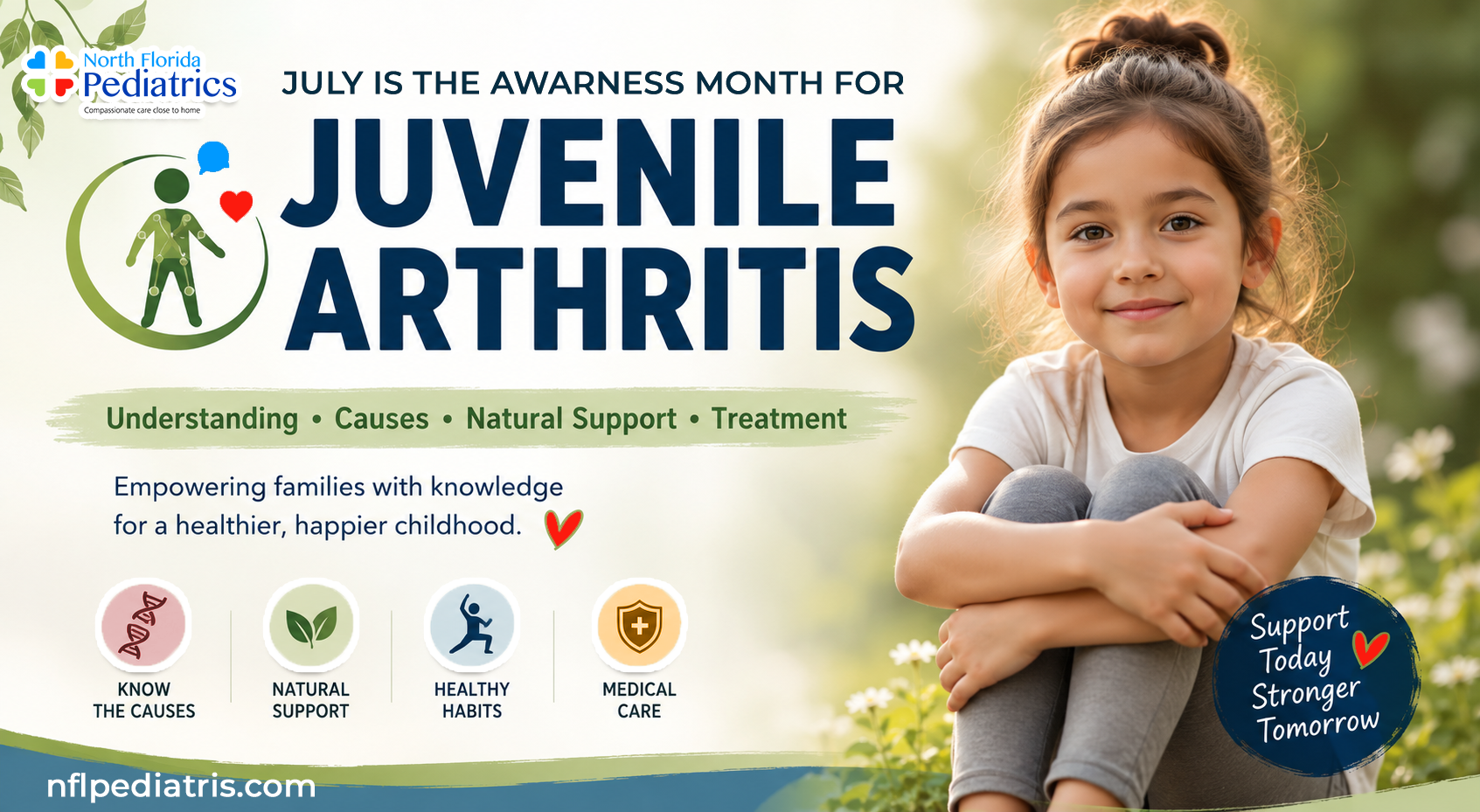
Juvenile arthritis (JA) is the most common type of arthritis in children. It causes inflammation in one or more joints, leading to pain, swelling, stiffness, and reduced movement. Although there is no known cure, early diagnosis and treatment can help children live active, healthy lives.
Main Risk Factors
While the exact cause is unknown, experts believe juvenile arthritis develops from a combination of:
- Genetics – A family history of autoimmune diseases may increase the risk.
- Immune System Dysfunction – The immune system mistakenly attacks healthy joint tissue.
- Environmental Triggers – Certain viral or bacterial infections may trigger the condition in genetically susceptible children.
- Hormonal Factors – Some forms are more common in girls, suggesting hormones may play a role.
- Unknown Factors – In many cases, no specific cause can be identified.
Most Common Age Range
Juvenile arthritis can occur before age 16, but it is most commonly diagnosed between 1–3 years and 8–12 years of age.
Supporting a Child Naturally
Natural approaches cannot cure juvenile arthritis, but they may help reduce symptoms and support overall health when used alongside medical care:
- Encourage a Mediterranean-style diet rich in fruits, vegetables, whole grains, fish, nuts, and olive oil.
- Include omega-3 fatty acids from fatty fish or, if recommended by a healthcare provider, supplements.
- Promote regular gentle exercise, stretching, swimming, or physical therapy to keep joints flexible.
- Help children maintain a healthy weight to reduce stress on joints.
- Ensure good sleep, stress management, and adequate vitamin D and calcium (under medical guidance).
Traditional Medical Treatment
Conventional treatment may include anti-inflammatory medications (NSAIDs), disease-modifying medications (DMARDs), biologic therapies, physical therapy, and regular monitoring by a pediatric rheumatologist. These treatments are currently the most effective way to prevent joint damage and protect long-term growth and function.
Important: There is no scientifically proven natural cure for juvenile arthritis. Natural therapies can complement—but should never replace—medical treatment. Always consult your child’s healthcare provider before starting supplements or alternative therapies.
Medical Review: The information in this article is based on guidance from the American College of Rheumatology, the Arthritis Foundation, and leading pediatric rheumatologists, including Dr. Thomas J. A. Lehman. It is intended for educational purposes and should not replace professional medical advice.
The ideas, studies and articles of the following experts and organizations, are the source of inspiaration for this article content.
- Dr. Thomas J. A. Lehman : Dr. Lehman has spent decades educating families about juvenile arthritis. His work emphasizes that juvenile arthritis is an autoimmune disease requiring early diagnosis and appropriate medical treatment, while healthy lifestyle habits such as exercise, good nutrition, and physical therapy help improve quality of life.
Another excellent expert is:
- Dr. Yukiko Kimura: Dr. Kimura advocates evidence-based treatment combined with physical activity, rehabilitation, and family-centered care.
You may also research the publications of the:
- American College of Rheumatology
- Arthritis Foundation
- Childhood Arthritis and Rheumatology Research Alliance (CARRA)