
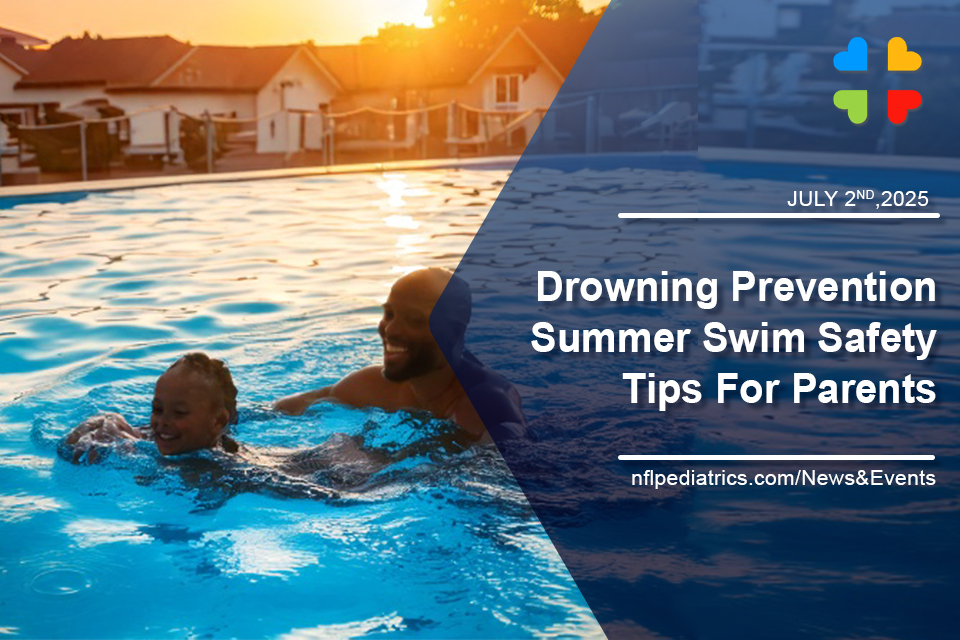
Here’s a more detailed breakdown:
1. Supervision is Key:
-
-
Constant, attentive supervision:This is the most crucial element. Never leave children unattended near any body of water, including pools, bathtubs, buckets, or natural bodies of water.
-
Designate a “water watcher”:If multiple adults are present, designate one to be the dedicated water watcher, free from distractions like phones or conversations.
-
-
Within arm’s reach:For young children, always stay within arm’s reach when they are near water.
-
Check the water first:If a child goes missing, always check the water first.
2. Barriers and Safety Devices:
- Pool fencing: Install a four-sided fence, at least 4 feet (1.22 meters) tall, with self-closing and self-latching gates, around all home pools.
- Pool covers: Use pool covers when the pool is not in use, but ensure they are properly secured.
- Pool alarms: Consider installing pool alarms to alert you to unauthorized entry.
- Empty containers: Empty all buckets, bathtubs, and other containers immediately after use.
3. Swimming and Water Safety Skills:
-
Formal swimming lessons:Enroll children in formal swimming lessons as early as possible, focusing on water safety skills, not just swimming techniques.
-
Water survival skills:Teach children basic water survival skills, such as treading water, floating, and how to get out of the water.
-
Never swim alone:Children should always swim with a buddy and let someone know where they are swimming.
4. Life Jackets:
-
Always wear life jackets:Ensure everyone wears a Coast Guard-approved life jacket when boating, kayaking, canoeing, or paddleboarding.
-
Life jackets for natural water:Children should always wear life jackets when in or around natural bodies of water, even if they are strong swimmers.
-
Life jackets are not a substitute for supervision:Always supervise children closely, even when they are wearing life jackets.
5. Other Important Considerations:
- Learn CPR: Knowing CPR can be a life-saving skill. Click Here to get certified online for just $12.95 and pay at the end of the course.
- Avoid alcohol: Avoid alcohol consumption around water, especially when supervising children.
- Be aware of water conditions: Be aware of currents, waves, and other hazards when swimming in natural bodies of water.
- Educate yourself: Stay informed about drowning prevention and water safety tips.
- Secure your home: Keep doors and toilet lids closed to prevent accidental access to water hazards.
By implementing these preventative measures, you can significantly reduce the risk of drowning and ensure a safer environment for children around water.
Find More on this topic at cdc.gov
National CPR Foundation Online 2-YEAR Certification Courses